
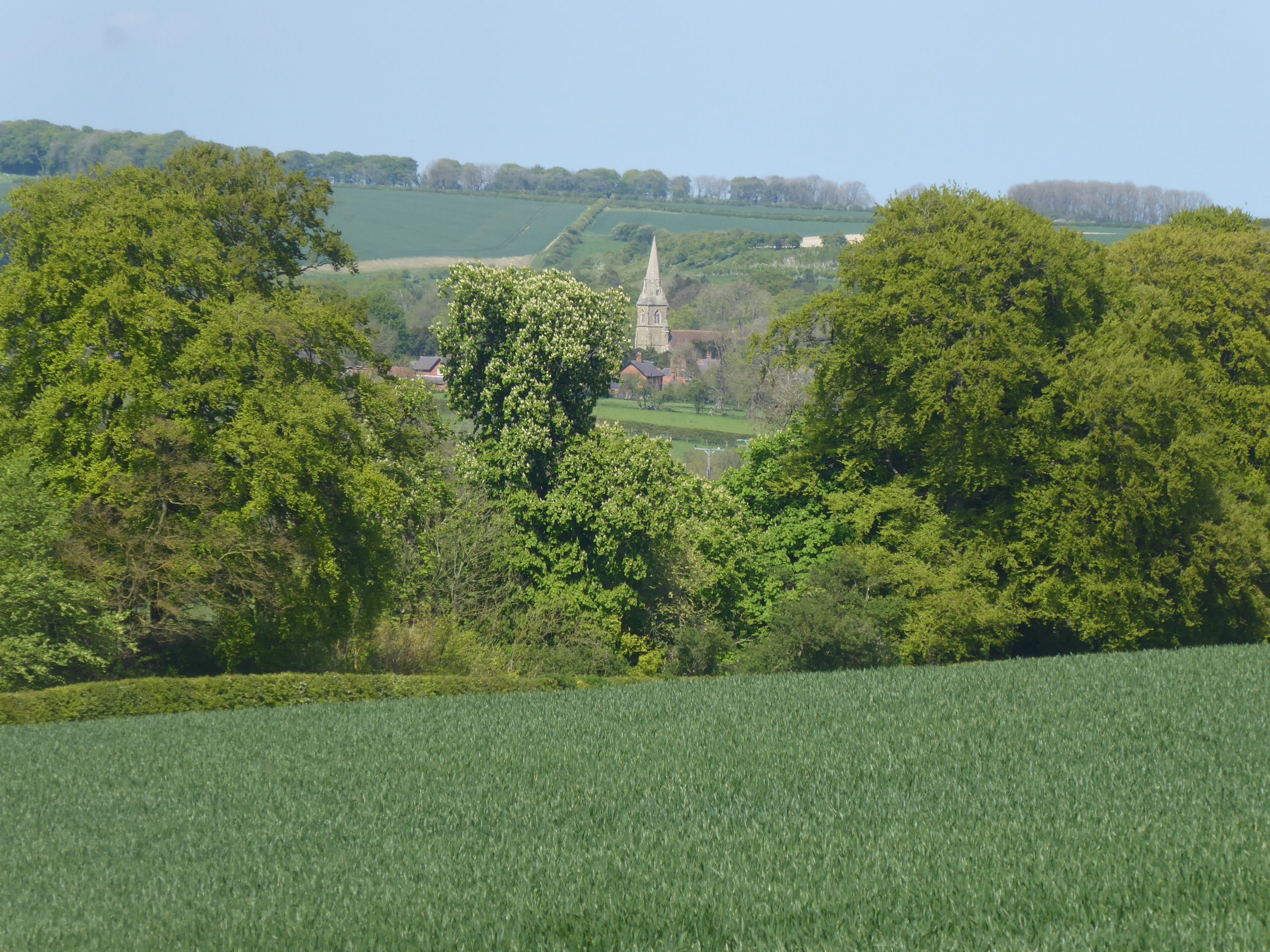
After the first lockdown (May 2020) I decided to go to Warter , East Yorkshire to experience a dawn chorus. The place has long been a favourite of mine for walking. (If you go to the local church, which is the Wolds heritage centre, there are maps available for all the local walks). I could not think of a better place to be in nature, and it was a necessary balm for me at that time. It’s odd that after prolonged isolation some seek the quiet of nature. I think it’s possibly to do with the fact that although our (normal) time and schedules have been disrupted, nature has just been getting on with things as usual and we find that comforting.
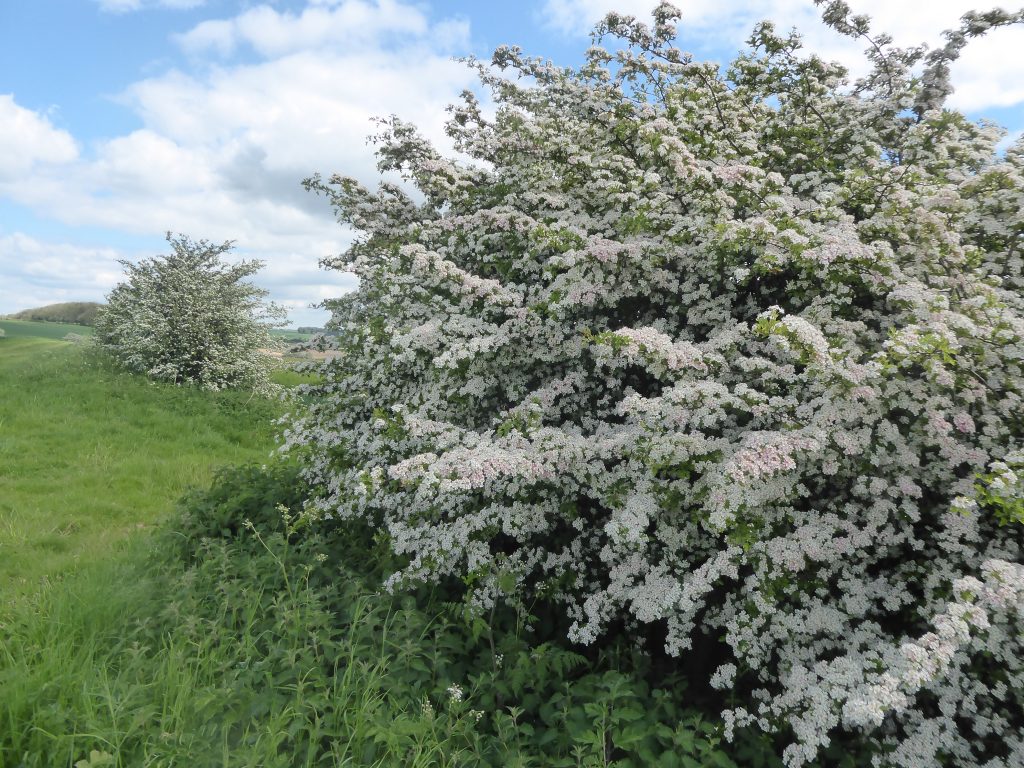
Hawthorn blossom above in Dale above Warter, East Yorks
I filmed and recorded from 4.30am- 6.30 in various locations and realised subsequently that this gave me interesting points of reference for a piece of music.
I analysed the recordings and initially decided to create a piece around transcriptions of bird song I made from my recordings, although modified to conform to a scale (Lydian on G). I created a score rather in the manner of Terry Riley’s’ ‘in C’ for any number of players, though in my case any number of recordings with my ‘cello as the only instrument. I intended to electronically modify the lines to create added interest . However, I quickly became dissatisfied with this and the score became more of an aide memoir:
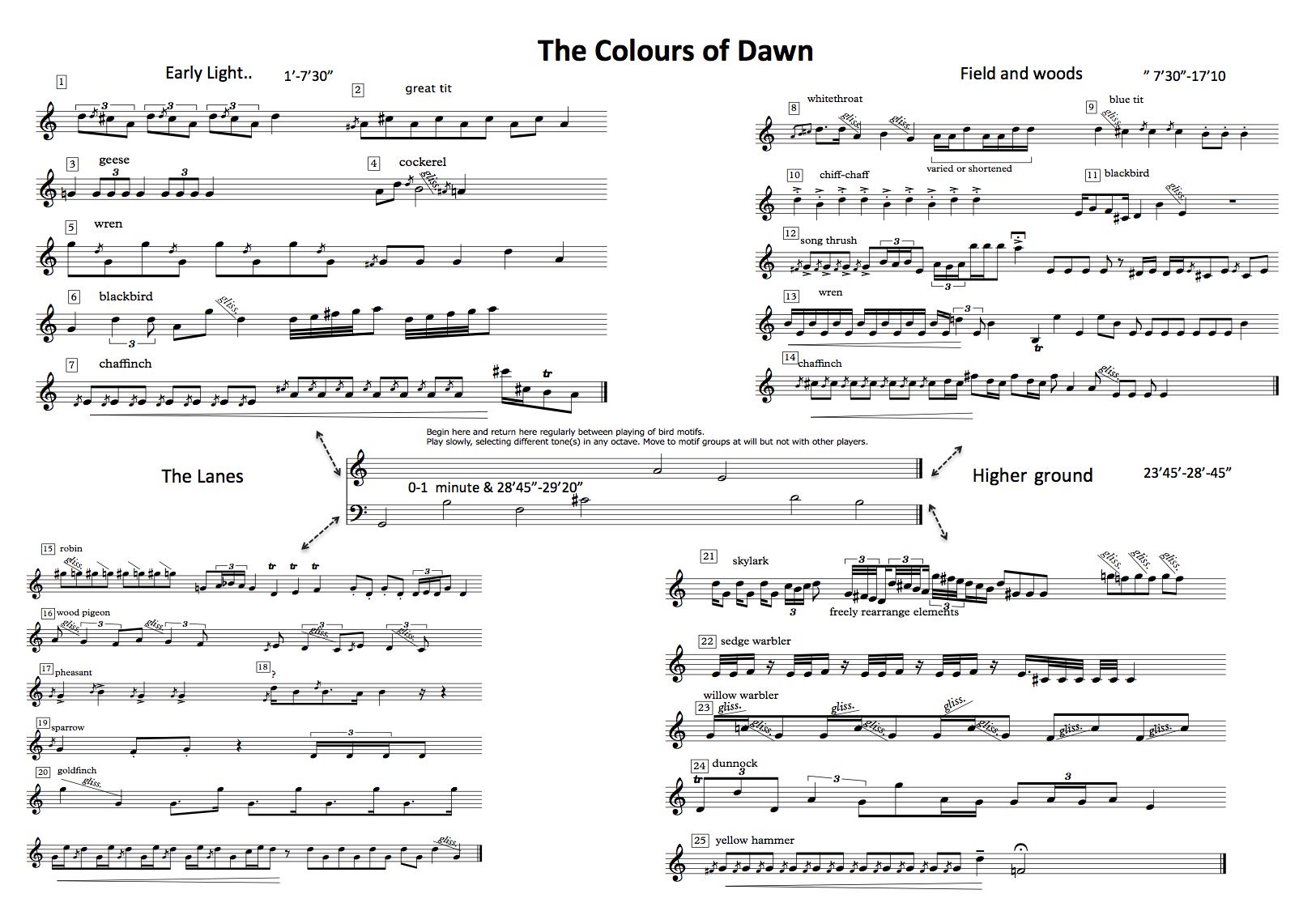
I decided to improvise on the ideas with my Nord piano keyboard and found that I could capture different moods for parts of the film using the same scale but breaking the ‘rule’ towards the end of the piece. This worked nicely with the gradually increasing light (and sun) I experienced with all tones heard only in the final part of the film, representing the full risen sun of the higher ground above Warter (accompanied by the mad chatter of sedge warblers etc)
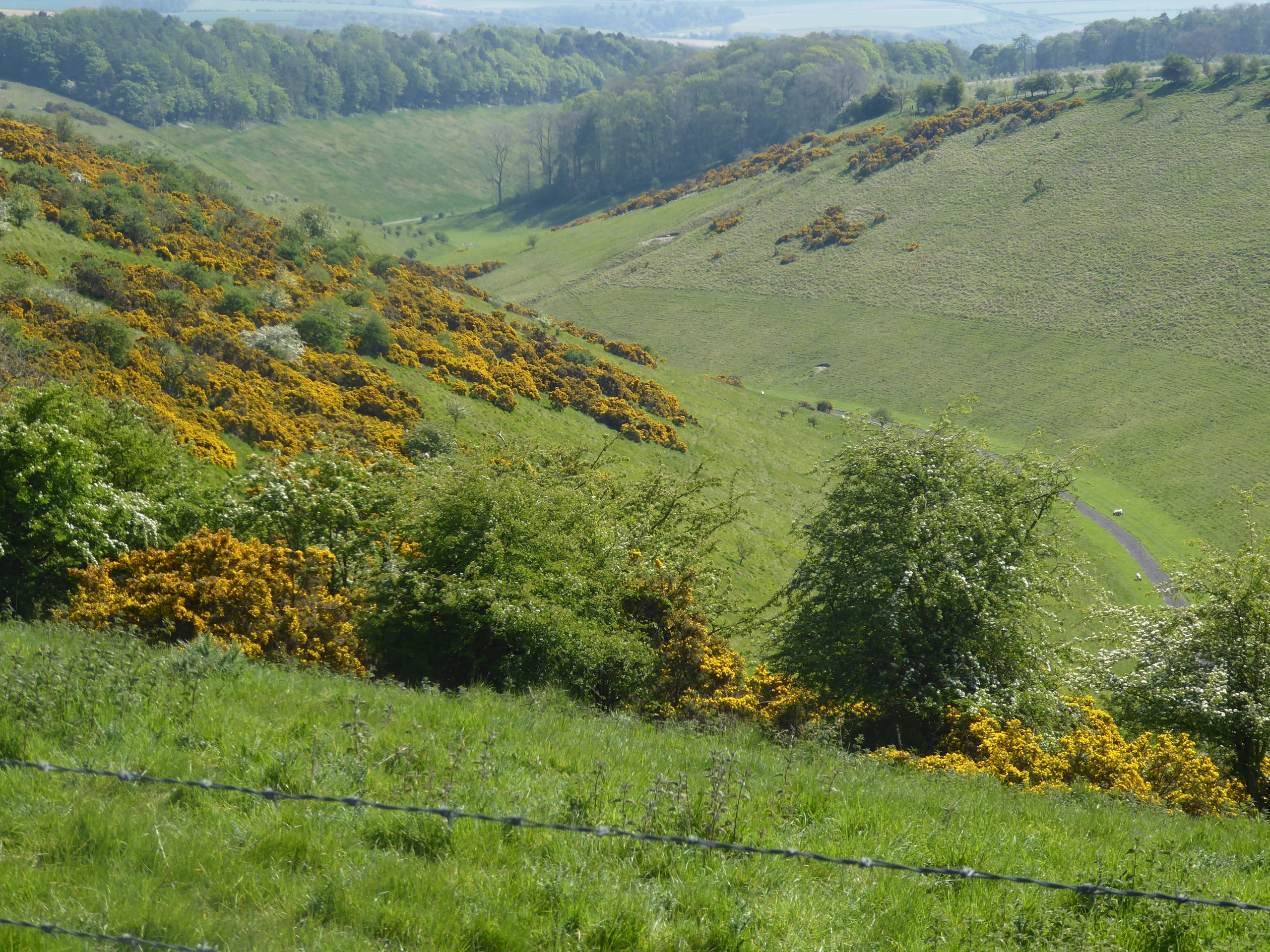
I then went back to the ‘cello ‘birds’ and recorded complimentary bird motifs. These I then modified electronically to create hopefully interesting colours musically and to further expand the expressive capacity of the cello and to suggest different birds and avian characteristics.
The resulting piece now has a clear structure complimenting the film as follows;
- Cellos introduction (tones from the scale and trills)
- Early light- the first bird calls, some near and some distant.
- Sunrise in the lane- more energetic including a ‘trio’ of keyboard, ‘cello and blackbird.
- View over fields- a brief section complimenting a more open misty landscape
- In the woods- a more mysterious section leading to music for a ‘Hockney tunnel’ with emerging sun followed by music by a stream.
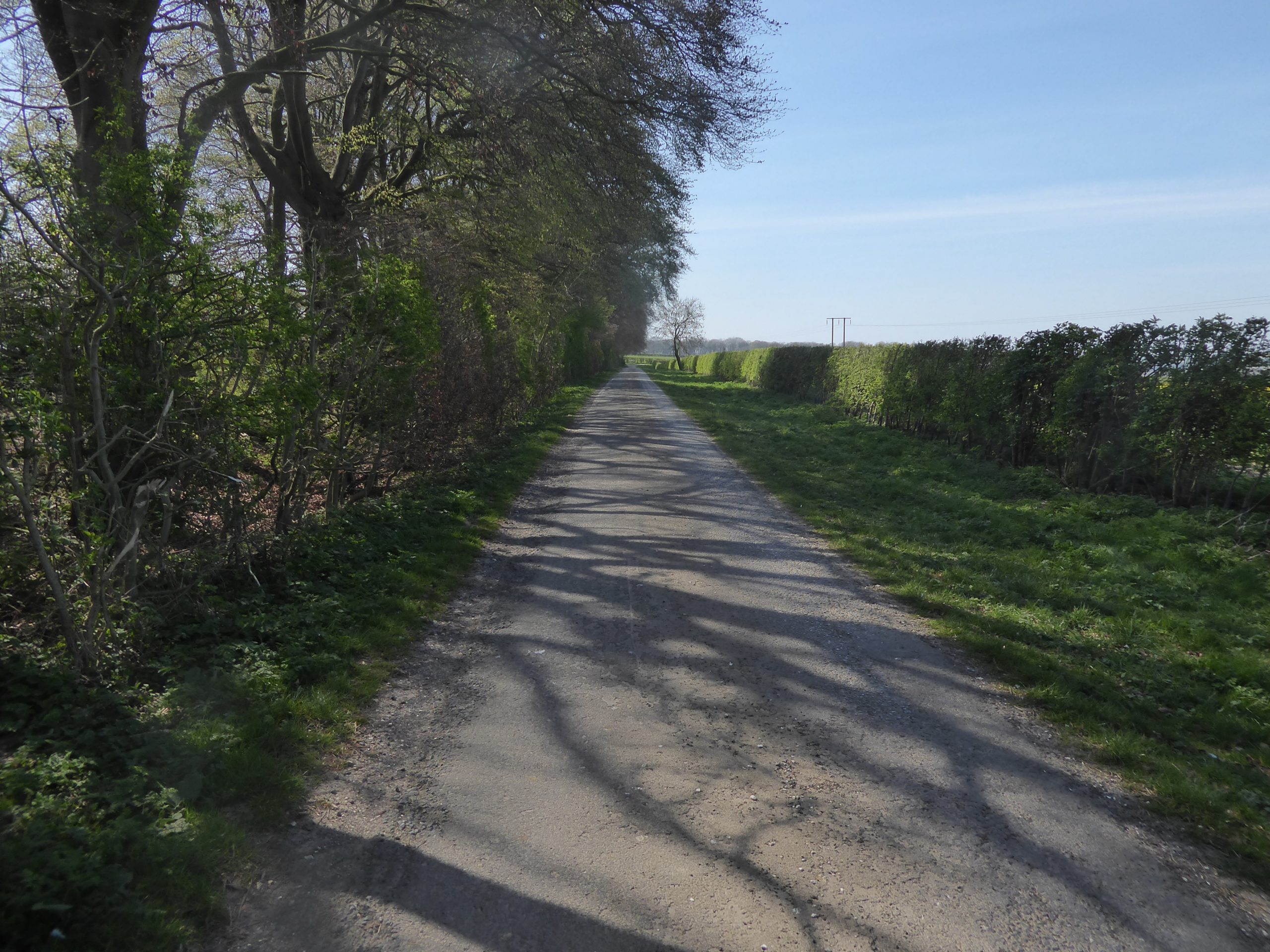
- The Lanes- A more rhythmic section, minimalist in style leading to raucous sparrow chatter.
- Higher Ground- A folk-like theme emerges with rhythmic bird chatter (sedge warblers) in cellos etc.
- Closing cellos (modified from introduction)
The music in general compliments increasing light and bird activity culminating in full sunlight on the hills around Warter with sedge warblers, larks, dunnocks etc. The treatment of the ‘cello ‘birds’ in particular reflect my emotional response to the changing environments.
I have been particularly concerned with balance throughout the piece. I wanted to oppose the increasing bird activity with a calm lyrical piano part (suggesting the calming effect of the experience). I was recently asked why I did not concentrate on recording the ‘cello naturally rather than manipulating the ‘cello sound. My answer is that I wanted to create differences between the ‘bird’ motifs used and I thought this would not be quite as effective if the multiple recordings were just conventional ‘cello sounds.
The film I made documents the changing light throughout from early light to full sun and I have enhanced this by adding slow moving colour transitions. It is a film without any other drama and it was suggested I focus on colour changes to provide an interesting narrative which I hope I have done, at least contextualises the recorded bird audio.
Finally, the ‘Colours at Dawn’ is the first part of a larger ‘Warter Walks’ project. Part 2 will be a short acousmatic composition leading to a solo piano piece. The final part will be 3 pieces for choir based on local folk songs.
I can do no better than conclude with a quote from Steven Lovatt;
“Finally, the Earth could hear itself think, and the voice of its thought was birdsong. A year on, we’re still too close to it to tell which stories and emotions will survive from that strangest of times. But it also seemed possible, even in the grimmest days, that the spring of 2020 might be remembered differently – as the time when we first heard the birds and, hearing them, began to recover an appreciation of something universal we had somehow mislaid.”
NB March 2021
Sent from my iPad